Travertine
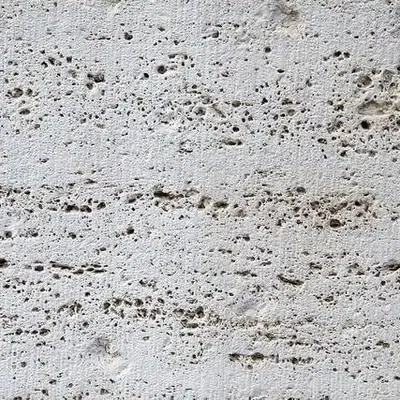
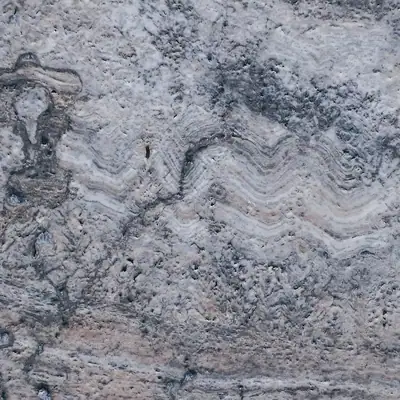
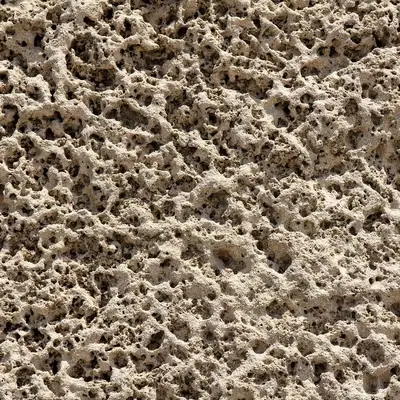
Travertine formed from limestone deposited by hot springs, layer upon layer. Hence the bands and the natural pores. The Colosseum and the Trevi Fountain are travertine. It is supplied filled (pores closed) for indoors or with open pores for outdoors.
When to choose it
Where travertine is at home.
- Warm, matt floors and bathrooms, easy to maintain when filled.
- Wall cladding and façades.
- Indoor stairs, covered terraces.
When not
- Kitchen worktops for heavy cooking: it is sensitive to acids, like marble.
- Polished outdoors in areas with hard frost.
HardnessMohs 3–4
Acid resistancelimestone-based, like marble
Stain resistancefilled and sealed, it is easy to maintain
For outdoorswith open pores, brushed or sandblasted
Care. Neutral detergent, no acids. Sealed at installation and then every 1–2 years. Pores that open over time can be re-filled.
Travertines in 3D
Compare them on the cube.
Choose the stone and the finish. Drag the cube to see the edges and the sheen from every angle.
Drag the cube to turn it
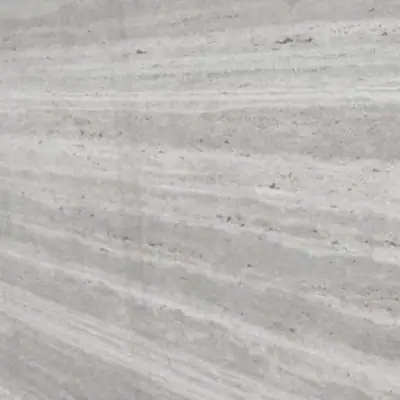
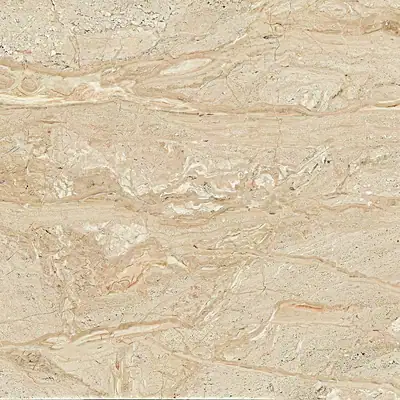
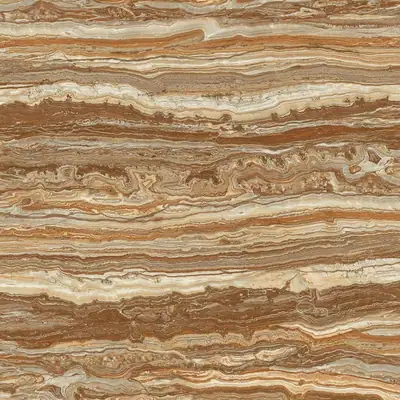
In the library
6 stones in this family.
Open each stone’s page for origin, finishes and advice.
Travertine for your home? Ask us.
Tell us where the piece will go and its measurements. We’ll tell you which stone will hold up there and which slabs we have.